Fire Department History & Records: A Mammoth Lakes Guide
By Karen Whitfield · Published · Updated · 4 min read
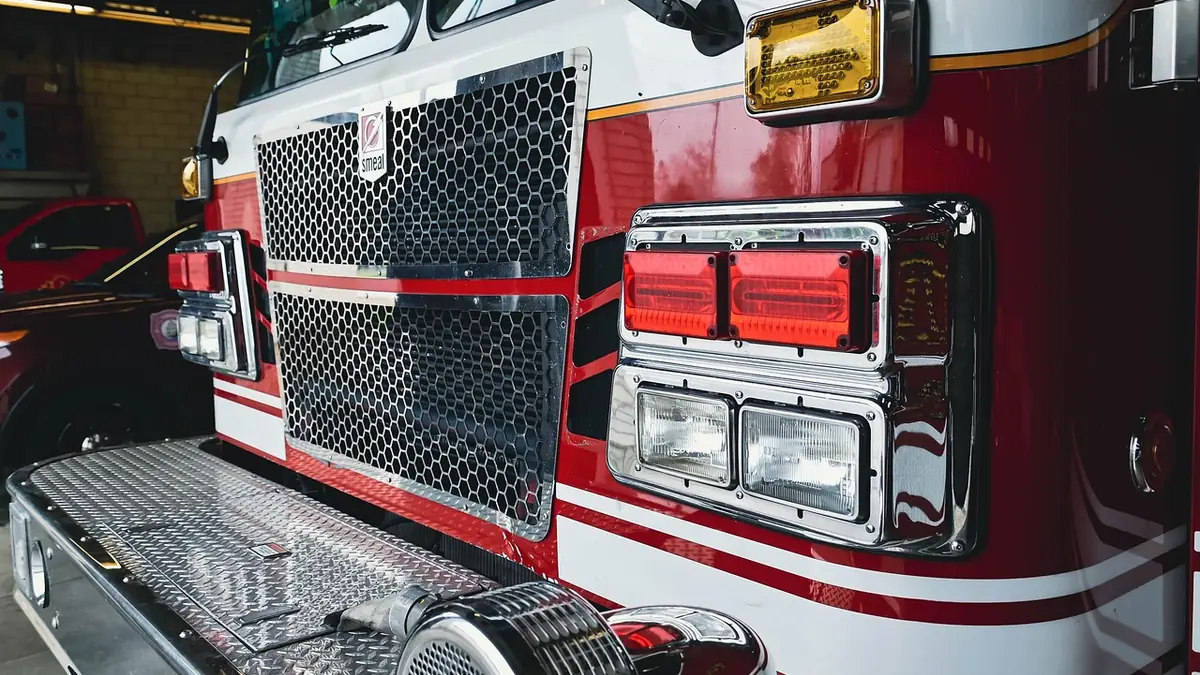
The Mammoth Lakes Fire Department has evolved from a small volunteer force in the 1950s to a modern all-risk agency serving a mountain resort community. Its history is preserved in meeting minutes, station logs, photographs, and oral accounts—resources that are open to the public with some planning.
This guide explains what records exist, where they are kept, and how to request access. Whether you are a homeowner researching fire safety changes, a student working on a local history project, or a family member tracing a firefighter's service, these steps will help you navigate the archive.
Early Years: From Volunteer Bucket Brigades to a Formal Department
Before the 1960s, fire protection in Mammoth Lakes relied on informal volunteer crews using hand tools and a few surplus vehicles. As the ski resort and lodging grew, the need for organized response became clear. In the late 1960s, the community formed a volunteer fire department with a single station and a tanker truck.
By the 1970s, the department had added basic breathing apparatus and a second engine, and training shifted from occasional drills to state-certified courses. These changes are documented in early station logs and in the first fire commission meeting minutes, which are stored in the district office.
The 1980s brought full-time staffing during peak seasons and a formal mutual-aid agreement with Mono County and the U.S. Forest Service. Records from this era include incident reports, equipment inventories, and correspondence with the county—most of which are available for public review by appointment.
- 1960s: Volunteer department formed with one station and a tanker
- 1970s: First breathing apparatus and state-certified training
- 1980s: Seasonal full-time staffing and mutual-aid agreements
- 1990s: Third station added and computer-aided dispatch
Key Milestones and How They Shaped Today's Department
The 1990s saw the department adopt computer-aided dispatch and expand to three stations to cover the growing resort corridor. These upgrades are recorded in board resolutions and budget reports, which are part of the permanent record.
In the 2000s, the department added wildland fire response and hazardous materials training, reflecting the growing risk of interface fires. Grant applications and training certificates from this period are archived in the administrative office.
The 2010s brought a new headquarters station, a focus on community risk reduction, and the adoption of the two-ways-out escape planning program. Many of these initiatives are documented in public education materials and in the minutes of the fire commission, which you can learn more about in How Fire Department Commissioners and Meetings Work.
- 1990s: Three stations and computer-aided dispatch
- 2000s: Wildland and hazmat training programs
- 2010s: New headquarters and community risk reduction
- 2020s: Enhanced data collection and public dashboards
Where the Records Live: Archives, Stations, and County Repositories
The department maintains an administrative archive at the headquarters station, containing board minutes, policies, and historical photographs. Incident reports are kept for a minimum of five years, and some older reports have been transferred to the Mono County historical society.
The Mono County Library's local history room holds copies of early department documents, newspaper clippings, and oral history recordings. The county recorder's office keeps property and mutual-aid agreements that may reference fire service.
For genealogy or detailed research, the best starting point is the department's administrative office. Staff can help you locate specific records, but plan ahead: requests may take several days to process, and some records may be restricted for privacy or security reasons.
How to Request Access and What to Expect
To request records, submit a written request to the department's administrative office, either in person or by mail. Include as much detail as possible—dates, names, addresses, and the type of record—to help staff locate the information. There is no fee for inspection, but copying charges may apply.
Most requests are processed within 10 business days. Incident reports involving ongoing investigations or personal medical information may be redacted or withheld. Historical photographs and non-sensitive administrative records are generally available for viewing by appointment.
If you are researching fire safety changes for your home, you may find it faster to start with our guides on How Many Smoke Detectors Does a Typical Mammoth Lakes Home Need? and Smoke Detector Placement Rules for Cabins and A-Frames, which summarize current codes without requiring a records request.
| Decade | Stations | Staffing Model | Key Equipment | Record Types |
|---|---|---|---|---|
| 1960s | 1 | Volunteer | Tanker, hand tools | Logs, photos |
| 1970s | 1 | Volunteer | First engine, breathing apparatus | Logs, training certificates |
| 1980s | 2 | Volunteer + seasonal full-time | Second engine, mutual-aid radio | Incident reports, agreements |
| 1990s | 3 | Seasonal full-time + volunteer | Computer-aided dispatch | Board minutes, budgets |
| 2000s | 3 | Full-time + volunteer | Wildland gear, hazmat equipment | Grant applications, training records |
| 2010s | 3 | Full-time | New headquarters, modern engines | Policies, public education materials |
Using Historical Records for Home Safety and Research
Historical records can reveal how fire codes have changed over time, which is useful if you own an older cabin or are renovating. For example, early records may show when smoke detectors were first required or when certain construction materials were phased out.
Researchers and students can use meeting minutes to trace policy decisions and community priorities. Oral histories add personal context, and the department occasionally shares historical photos on its community bulletin board.
If you are preparing a home escape plan, the historical perspective can reinforce why current practices matter—see Building a Home Escape Plan with Two Ways Out and What to Do in the First Two Minutes of a Fire for practical guidance that builds on lessons learned over decades.
Preserving the Record: What the Department Keeps and Why
The department retains permanent records such as board minutes, policies, and equipment histories because they document decisions and provide accountability. Incident reports are kept for a minimum of five years, and some are retained longer for statistical and legal purposes.
Photographs and oral histories are collected on an ad-hoc basis, often from retired firefighters and community members. If you have materials to donate, contact the administrative office; the department welcomes items that fill gaps in the record.
Digital preservation is an ongoing effort. Older paper records are being scanned as resources allow, and the department is working toward a searchable index of historical documents. In the meantime, staff can help you navigate what is available.
- The department's history is documented in meeting minutes, logs, photos, and oral histories available to the public.
- Requests for records should be made in writing to the administrative office; expect up to 10 business days for processing.
- Historical records can inform home safety upgrades, especially for older cabins and renovations.
- The department continues to preserve and digitize its archives; donations of historical materials are welcome.
Karen has spent years writing and editing public safety guidance for mountain communities, with a focus on home fire prevention and clear emergency instructions. She works closely with local fire service information and community records to keep practical advice accurate and easy to follow. Her goal is to help residents prepare before an emergency happens.