Home Escape Planning: Two Ways Out and a Meeting Spot
By Karen Whitfield · Published · Updated · 5 min read
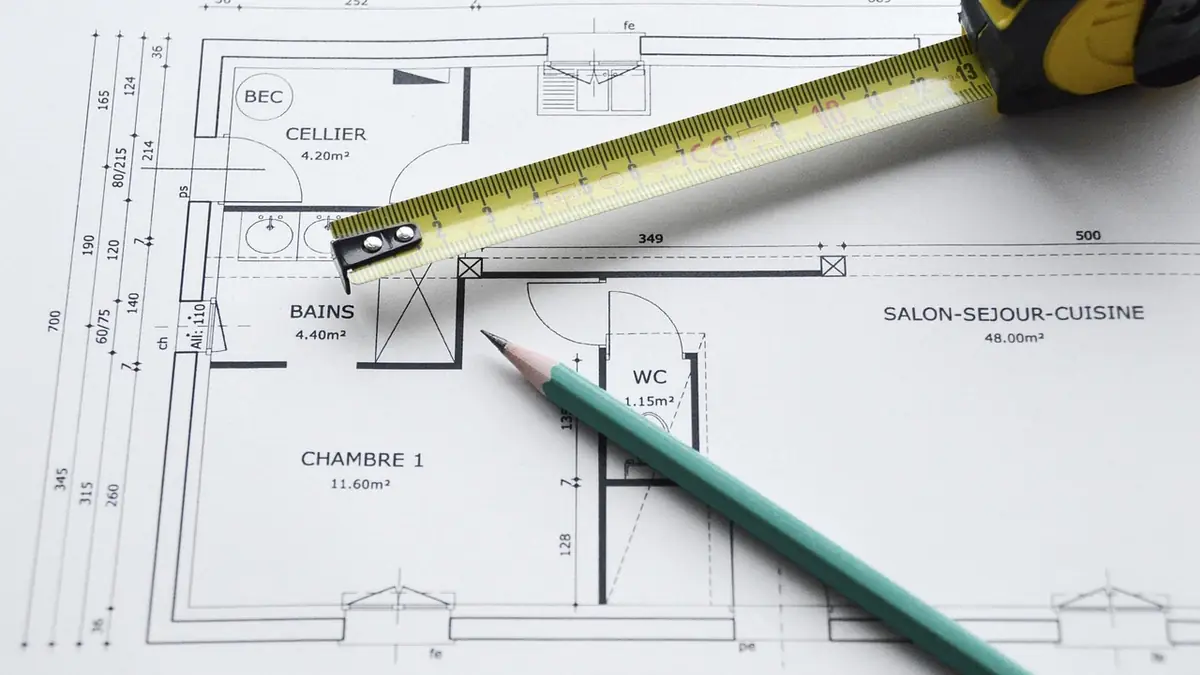
Most fire deaths happen in homes, and the difference between getting out in under two minutes and not getting out at all usually comes down to practice, not courage. A written escape plan with two ways out of every sleeping room gives everyone a route even when smoke blocks the hallway they use every day.
This guide covers the practical steps: drawing the floor plan, testing windows and doors, picking a meeting spot that will still be visible at night, and running drills that children and guests can actually follow. It is written for mountain homes where winter snow, steep driveways and rural response times add a few extra considerations.
Start With a Drawn Floor Plan
Walk through the house with a clipboard and sketch each level, including the basement and any attached garage. Mark every door and window that a person could realistically use to get outside, then mark the beds. The goal is two independent routes from each sleeping area: a primary route through a door or hallway, and a secondary route such as a window that opens onto a porch roof, a grade-level sill or a cleared snow bank.
Label what you find. A bedroom window that opens six inches is not an exit, and a second-floor window with no ladder or roof access is a last resort, not a plan. Note the height of each sill from the ground and whether furniture blocks it. Once the sketch is done, tape a clean copy inside a closet door or the back of the pantry door on each level so it is easy to find in a hurry.
- Two exits from every sleeping room, ideally one door and one window
- Mark sill heights and any furniture blocking windows
- Include basement stairs, garages and any attached sheds
- Keep a copy on each floor and one in the go-bag
Test Doors and Windows Before You Need Them
Every window designated as an exit should open fully with one hand and stay open without being propped. Older aluminum and vinyl sliders stiffen with age, and painted-shut sashes are common in mountain cabins that sat empty for a season. Open and close each one now; if it sticks, lubricate the track or repair it rather than planning around it. Security bars need a quick-release latch that every adult in the house can operate in the dark.
Doors deserve the same test. Check that deadbolts turn without a key from the inside, that sliding glass doors lift into their tracks, and that nothing stacks up in front of the garage-to-house door. Children should be able to open their own bedroom window and, if the room is on the ground floor, get out and close it behind them. Practice that motion during daylight before you ever run a drill.
Choose a Meeting Spot That Works at Night
The meeting spot should be far enough from the house that radiant heat and falling embers are not a concern, typically 50 to 100 feet away, and it must be identifiable in the dark. A specific tree, a mailbox post at the end of the driveway or the neighbor's fence corner all work better than "the front yard." For rural properties with long driveways, pick a spot near the road so arriving crews can see you and so you are not standing between the fire and the apparatus.
Agree on a backup spot in case the first one is downwind of smoke or blocked by a snowbank. Everyone should know that once outside, no one goes back in for pets, phones or documents. That rule needs to be stated plainly to adults, because it is the one people break. Keep a phone or a charged power bank in the go-bag so the call to 911 happens from the meeting spot, not from inside.
- 50 to 100 feet from the house, visible at night
- Near the road on long rural driveways
- A named object, not a general direction
- A backup spot for wind or deep snow
- No re-entry, for any reason
Run Drills That Match Real Conditions
Practice twice a year, ideally when clocks change, and vary the conditions: one drill at night with lights off, one in the daytime. Time the evacuation from the moment the alarm sounds and aim for under two minutes to clear the house. Use the actual smoke alarm sound, not a voice cue, so children learn to respond to the tone. If someone sleeps with a door closed, which is good practice, make sure the alarm in that room is loud enough to wake them.
In mountain homes, add a winter version. Practice opening the secondary window with gloves on, confirm the snow is cleared from beneath ground-floor windows and from the path to the meeting spot, and check that the driveway is plowed wide enough for a fire engine. After each drill, ask what was slow or confusing and fix one thing. A drill that reveals a stuck window has done its job.
Include Children, Older Adults and Guests
Children as young as four or five can learn to open a window, get low under smoke and go to a named spot. Teach them to feel a door with the back of the hand before opening it and to use the secondary route if the door is hot. Avoid asking young children to rescue siblings or pets; assign that to an adult. For older adults, check that the route has no loose rugs or steps and consider a sleeping room on the ground floor.
Guests are the most overlooked group. Overnight visitors rarely know the layout of a house, and in a rental or second home they may not know where the nearest exit is. When someone stays over, point out their two ways out and the meeting spot before bed. Keep a short written card in each guest room with the address, the meeting spot and the reminder to stay out once outside.
| Room | Primary route | Secondary route | Common problem | Fix |
|---|---|---|---|---|
| Ground-floor bedroom | Door to hallway | Window to yard | Painted-shut sash | Free the track, test monthly |
| Second-floor bedroom | Door to stairs | Window to porch roof or ladder | No safe landing outside | Add a listed escape ladder |
| Kitchen | Door to outside or hallway | Window over sink | Items stored on sill | Keep sill clear |
| Basement | Stairs to main floor | Egress window | Window below grade or blocked | Clear well, confirm opening size |
| Guest room | Door to main exit | Nearest window | Guest does not know layout | Walk the route before bed |
Keep the Routes Clear Year-Round
An escape plan fails if the path is cluttered. Hallways should stay clear of furniture, boxes and drying racks, and the area under each exit window should stay empty. In households with wood heat, keep firewood, kindling and ash buckets away from exit paths and never store them on a porch that serves as a secondary route. Check that snow shovels and ice melt are reachable, since a winter exit can be blocked by a drift that formed overnight.
Review the plan whenever something changes: a new baby, a remodel, a new wood stove, a grown child moving back home. Replace smoke alarm batteries on the same schedule as your drills and test each alarm monthly. If you are documenting the household's safety history or requesting inspection records, the department's guidance on understanding fire department history and records explains what is typically available. For the equipment side, see how to use a fire extinguisher in four steps so the extinguisher is a tool, not a decoration.
- Keep hallways and exit windows clear
- Store firewood and ash away from exits
- Shovel snow from ground-floor windows and paths
- Update the plan after any remodel or change in household
- Draw a plan with two exits from every sleeping room and post it on each floor.
- Test every window and door now; a window that will not open is not an exit.
- Pick a named meeting spot 50 to 100 feet out, visible at night, plus a backup.
- Drill twice a year, vary night and winter conditions, and aim to clear the house in under two minutes.
Karen has spent years writing and editing public safety guidance for mountain communities, with a focus on home fire prevention and clear emergency instructions. She works closely with local fire service information and community records to keep practical advice accurate and easy to follow. Her goal is to help residents prepare before an emergency happens.