How to Use a Fire Extinguisher: PASS in Four Steps
By Karen Whitfield · Published · Updated · 5 min read
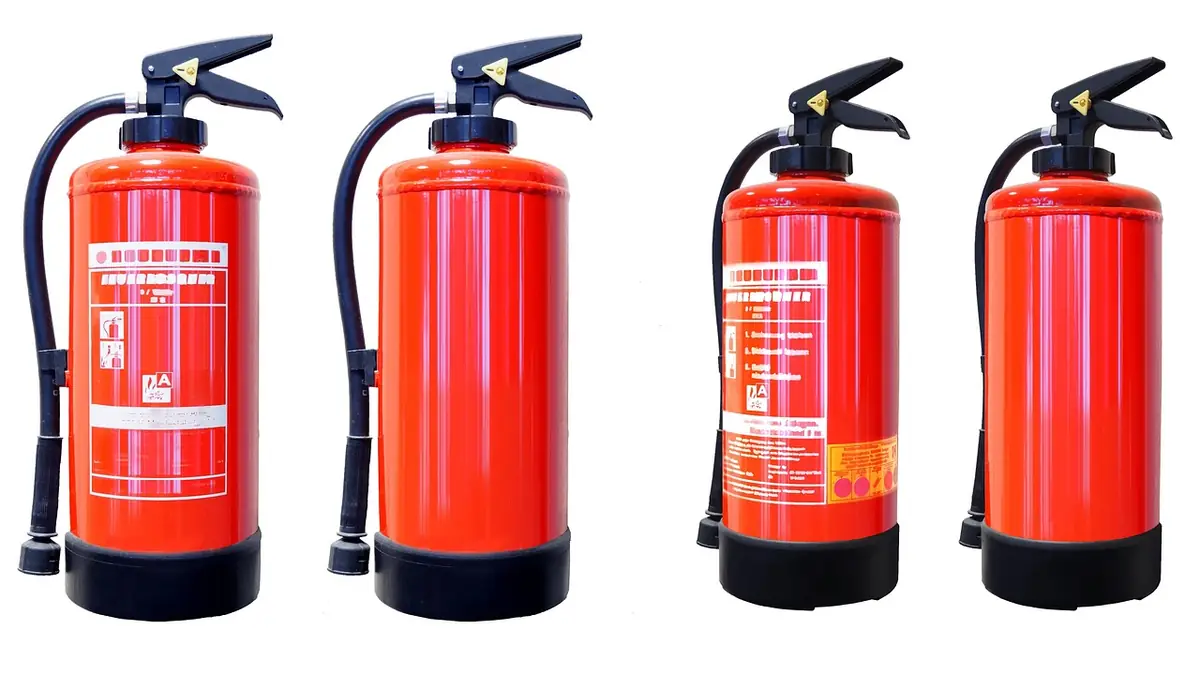
A fire extinguisher only works if you use it correctly and only on the right kind of fire. In Mammoth Lakes, most home extinguishers are small dry-chemical units rated for ordinary combustibles and, depending on the label, some flammable liquids. They are built for small, contained fires in their early minutes, not for a wall of flame or a room filling with smoke.
The method is simple: pull, aim, squeeze, sweep. Knowing it before you need it matters, because once a fire starts you have seconds, not minutes, to decide whether to fight it or leave. This guide covers the technique, the practical numbers behind it, and the clear signals that mean it is time to get out.
The Four Steps: Pull, Aim, Squeeze, Sweep
Pull the pin. It is there to stop accidental discharge, and it can be stiff if the extinguisher has hung untouched for years. Twist the ring as you pull. Some units have a tamper seal that must break first. If the pin will not come out, do not fight with it while a fire grows; that is your signal to evacuate and call 911.
Aim low, at the base of the flames, not at the tips. Burning gases above the fire look dramatic, but the fuel is at the bottom. Stand roughly 6 to 10 feet (2 to 3 meters) back, with your back to a clear exit. If the fire is on a wall or counter, aim at the floor line where the burning material sits.
Squeeze the handle firmly and sweep side to side across the base of the fire. Keep sweeping until the flames are out, then watch the area for a minute or two for reignition. Dry-chemical extinguishers can smother a small fire in a few seconds; a typical 5-pound home unit discharges fully in about 8 to 15 seconds, so there is no time to waste.
- Pull the pin and break the tamper seal
- Aim at the base of the flames, 6–10 feet back
- Squeeze the handle fully and hold it
- Sweep side to side until the fire is out
- Keep your back to an exit at all times
Know What Your Extinguisher Can Handle
Extinguishers carry letter ratings. Class A is ordinary combustibles like wood, paper, and cloth. Class B is flammable liquids. Class C means safe for energized electrical equipment. Many household units are labeled A-B-C, which covers the most common home fire types. A water can or a Class A-only unit should never go near a grease fire or a live electrical panel.
Kitchen grease fires are their own problem. A dry-chemical extinguisher can knock down a pan fire, but the blast can splash burning oil. A lid or a dedicated wet-chemical extinguisher is better for cooking oil. If a pan ignites, turn off the burner if you can reach it safely and cover the pan; if the fire has spread beyond the pan, get out.
In mountain homes, also think about where the extinguisher lives. Near the kitchen exit, near the wood stove, and at the top of the stairs are common spots. Check the gauge monthly; the needle should sit in the green zone. A unit that reads low or shows cracks in the hose should be replaced, not trusted.
- A-B-C covers most common household fires
- Never use water on grease or electrical fires
- Keep one near the kitchen exit and one near the stove
- Check the gauge monthly; green means usable
- Replace cracked hoses or low-pressure units
When to Abandon the Attempt and Evacuate
The rule is simple: if the fire is bigger than a small wastebasket, if it is spreading, or if smoke is filling the room, leave. Extinguishers are for incipient-stage fires, the first minute or two. Once flames reach the ceiling or a wall, or the smoke layer is dropping, no handheld unit will fix it. Close doors behind you to slow the spread and get everyone out.
Also leave if you have any doubt. If you cannot find the extinguisher, if the pin will not pull, if the fire is behind furniture, or if you are the only adult and there are children or pets to move, evacuation wins. A fire that keeps reigniting after you sweep it is out of your control. Call 911 from outside, not from inside the house.
Two other conditions end the attempt: your exit is blocked, or smoke is between you and the door. Never let a fire get behind you. In a mountain home with one stairwell, that risk is real. If smoke alarms are sounding and you see smoke at the ceiling, skip the extinguisher entirely and go. The common causes of house fires in mountain communities page explains why chimney and heating fires often grow faster than people expect.
- Fire larger than a small wastebasket: evacuate
- Flames at the ceiling or wall: evacuate
- Smoke filling the room: evacuate
- Exit at risk or blocked: evacuate
- Any doubt at all: evacuate and call 911
Maintenance and Placement That Make the Difference
An extinguisher that has never been checked is a gamble. Monthly, look at the gauge and the pin seal. Annually, invert a dry-chemical unit and shake it so the powder does not pack at the bottom; a packed unit may puff and quit. Most manufacturers call for professional servicing or replacement at 6 and 12 years, and many home units are disposable rather than rechargeable. Check the label.
Placement matters as much as condition. Mount extinguishers on a bracket 3 to 5 feet above the floor, near an exit, not tucked behind coats in a closet. In a cabin, keep one on each level. Our fire extinguisher inspection checklist for homeowners walks through the monthly and annual checks in detail.
Finally, practice. Read the label out loud once a season and point to where the pin, nozzle, and gauge are. In an emergency, hands shake. Familiarity is what makes the four steps automatic.
- Check the gauge monthly
- Shake dry-chemical units annually
- Mount 3–5 feet up, near an exit
- Replace or service per the label dates
Smoke Alarms Come Before Extinguishers
The extinguisher is the backup plan; detection is the first line. Working smoke alarms give you the warning time to choose fight or flight. In a typical Mammoth Lakes home, that means alarms on every level, inside each bedroom, and outside sleeping areas. Test them monthly and replace the batteries at least yearly, or use sealed 10-year units.
If you are still sorting out coverage, how many smoke detectors a typical Mammoth Lakes home needs breaks down the room-by-room count. For cabins and A-frames with lofts and open ceilings, smoke detector placement rules for cabins and A-frames covers the trickier geometry.
- Alarms on every level and outside sleeping areas
- Test monthly, replace batteries yearly
- Interconnect alarms so all sound together
| Size | Typical discharge time | Best use | Practical range |
|---|---|---|---|
| 2.5 lb (1 kg) | 5–8 seconds | One small pan or wastebasket fire | Kitchen, car |
| 5 lb (2 kg) | 8–15 seconds | Most common home fires | Kitchen, hallway, garage |
| 10 lb (4.5 kg) | 15–25 seconds | Larger rooms, workshops, wood stoves | Garage, shop, stove area |
| 20 lb (9 kg) | 20–30 seconds | High-risk areas, multiple attempts | Workshop, utility room |
- Use PASS: pull, aim at the base, squeeze, sweep side to side.
- Stand 6–10 feet back and keep your back to an exit.
- A 5-pound home unit lasts roughly 8–15 seconds, so act fast.
- If the fire is bigger than a wastebasket or smoke is building, evacuate and call 911.
Karen has spent years writing and editing public safety guidance for mountain communities, with a focus on home fire prevention and clear emergency instructions. She works closely with local fire service information and community records to keep practical advice accurate and easy to follow. Her goal is to help residents prepare before an emergency happens.