Common Causes of House Fires in Mountain Communities
By Karen Whitfield · Published · 5 min read
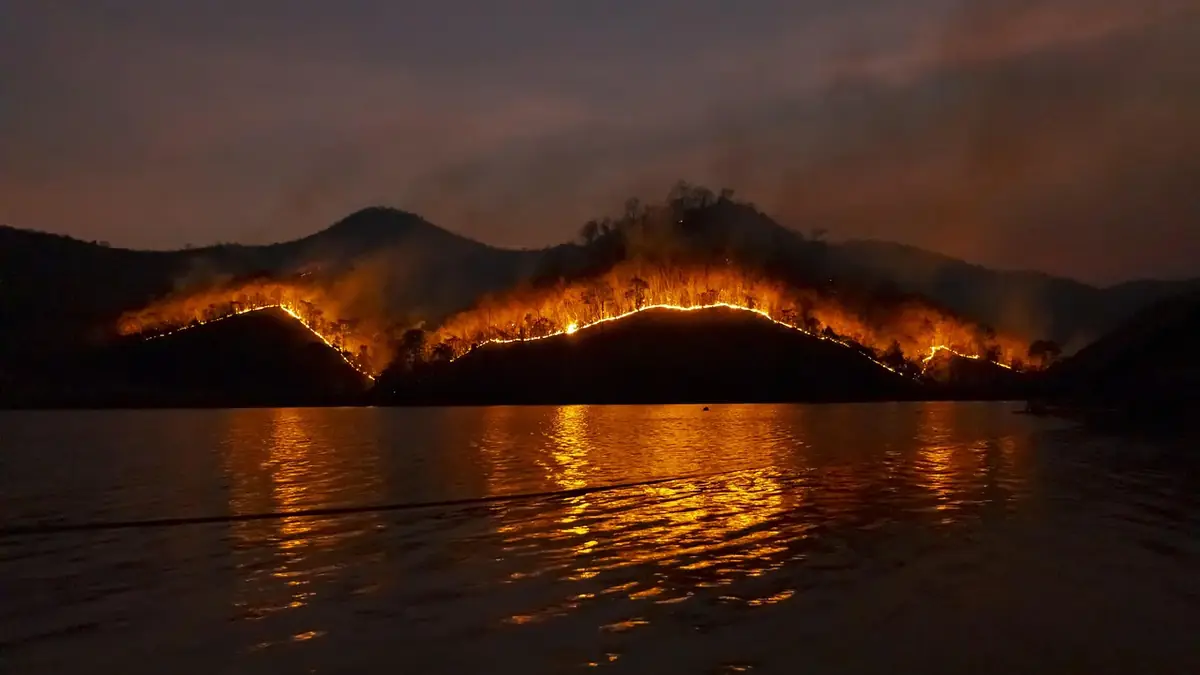
Mountain homes carry a fire load that flatland houses do not. Long heating seasons, wood stoves, propane systems, steep roofs and heavy snow all change how fires start and how quickly they spread. Most of the calls we run in a winter month trace back to a handful of causes, and nearly all of them are preventable with routine maintenance and a bit of attention.
This guide ranks the causes we see most often, from chimney and heating failures to kitchen flare-ups and overloaded wiring, and gives concrete prevention steps sized for cabins and year-round homes. Where numbers help, we use typical ranges rather than single figures, because every house and every heating system is different.
Heating Systems and Wood Stoves
Heating equipment is the leading category of home fire cause in cold climates, and wood stoves sit at the center of it. Problems usually start with clearances: a stove or flue pipe set too close to framing, drywall or stored wood. Manufacturers print minimum clearances on the data plate, and those numbers assume proper heat shields. Reducing them by even a few inches is a common and dangerous shortcut.
Creosote is the second half of the story. Smoldering, low-air fires and unseasoned wood leave sticky deposits in the flue, and that deposit ignites at roughly 1,000 to 2,000 degrees Fahrenheit, hot enough to crack clay tile or warp a metal liner. A chimney sweep inspection once a year, and more often if you burn green wood, is the standard hedge against this.
Space heaters add a different risk. Keep at least three feet of clear space around any portable heater, plug it directly into a wall outlet, and never run one unattended or while sleeping. Propane and kerosene heaters also consume oxygen and produce carbon monoxide, so a working CO alarm in the same room is not optional.
- Burn dry, seasoned wood; split and stack it a year ahead
- Keep three feet of clearance around stoves, fireplace fronts and heaters
- Book a chimney inspection every year before the first cold snap
- Never use an oven or outdoor grill to heat a room
Chimney and Flue Fires
Chimney fires often announce themselves with a low rumble, a roaring sound like a freight train, or black smoke and sparks at the top. Many burn out on their own, but the heat can damage the liner without anyone noticing, which sets up the next fire to spread into the structure. After any suspected chimney fire, have the flue inspected before lighting another fire.
Prefabricated metal chimneys need their own attention. Snow load, ice damming and wind can loosen storm collars and caps, letting water into the chase. Rusted or disconnected sections leak smoke into attic spaces. Check the exterior of the chimney from the ground each fall and after major storms, and have anything loose re-secured by a qualified technician.
- Install a spark arrestor cap rated for your flue
- Watch for black, flaky creosote glazing inside the firebox throat
- Treat any rumbling flue event as a fire until inspected
- Clear snow and ice from the cap and roof access points
| Cause | Typical Season | Common Ignition Point | Prevention Frequency |
|---|---|---|---|
| Heating and wood stoves | October to April | Clearance to framing, stovepipe joints | Annual inspection; check clearances once |
| Chimney creosote | Heating season | Flue liner and firebox throat | Sweep yearly; more with heavy use |
| Cooking and grease | Year-round, holiday peaks | Range top, hood and filter | Clean hood monthly; stay at the stove |
| Electrical overload | Winter, when heaters run | Receptacles, cords, panel | Electrician review every 10-20 years |
| Exterior embers and debris | Spring and fall winds | Roof, gutters, woodpiles, decks | Clear gutters twice a year |
| Portable heaters and cords | Winter | Fabric, furniture, extension cords | Inspect before each season |
Cooking and Kitchen Fires
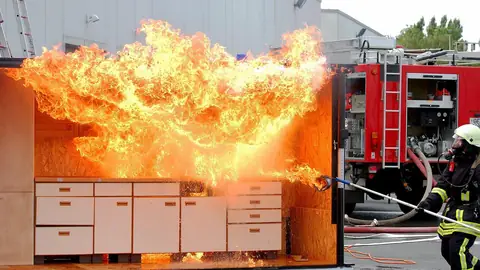
Cooking is the most common cause of home fires nationally, and it is the most common cause here too, just in a shorter window around holidays and dinner. Unattended pans, grease buildup on range hoods and towels left near burners account for most of it. Grease fires flare when water hits hot oil, so never throw water on one; slide a lid over the pan to smother it and turn off the heat.
Keep a lid and a fire extinguisher within reach of the stove, and know the steps before you need them. The PASS technique (pull, aim, squeeze, sweep) works on small pan fires only if the extinguisher is rated for grease, which means a Class K or multi-purpose ABC unit. If the fire reaches the cabinets or hood, get everyone out and call 911 from outside.
- Stay in the kitchen while frying or broiling
- Wipe the range hood and filter monthly to cut grease buildup
- Keep a lid beside the stove for smothering pan fires
- Mount a multi-purpose extinguisher near an exit, not over the stove
Electrical Wiring and Older Cabins
Older cabins were often wired for a few lights and a refrigerator. Add a space heater, a microwave, a hair dryer and a phone charger and the circuit is doing work it was never designed for. Overloaded circuits heat at connections, and the failure often happens inside a wall or at a receptacle hidden behind furniture. Warm or discolored outlet covers are a warning, not a quirk.
Extension cords used as permanent wiring are another recurring cause. Cords under rugs and behind baseboards fray and overheat. Have a licensed electrician look at any panel that still uses fuses, any home with ungrounded two-prong outlets, and any addition or converted garage where wiring may have been done informally. Arc-fault circuit interrupters are cheap insurance for bedrooms and older branch circuits.
- Plug heaters directly into wall outlets, not power strips
- Replace cracked or warm receptacles and switches
- Use extension cords temporarily and never under carpets
- Ask an electrician whether AFCI protection fits your panel
Smoke Alarms, Escape Plans and Snow-Country Details
Detection buys the minutes that matter. Working smoke alarms cut the risk of dying in a home fire roughly in half, yet many mountain homes are missing them in bedrooms or have units with dead batteries. Placement in vaulted cabins is trickier than in a flat-ceiling house: smoke rises and pockets near ridge beams, so alarms belong on the ceiling or high on the wall, and in rooms with steep ceilings a spot a few feet below the peak often responds faster.
A home escape plan matters more here because snow, ice and drifts can block one exit. Every bedroom needs two ways out, and that second route may be a window that has not opened since summer. Practice opening it in winter gear, and agree on an outdoor meeting spot that a plow will not bury, such as the mailbox or the end of the driveway.
- Test alarms monthly and replace batteries at least yearly
- Replace the whole alarm every 10 years
- Keep a window in each sleeping room openable from inside
- Shovel out a secondary exit and mark the meeting spot
Exterior, Vehicle and Deck Risks
In mountain towns the fire that threatens a home often starts outside it. Hot embers from a chimney or a neighbor's burn pile can land on a woodpile stacked against the siding, on dry needles in the gutter, or on deck furniture cushions. Keep the first five feet around the foundation clear of combustibles, and keep roofs and gutters free of needles and leaves, especially after wind events.
Vehicles and equipment start fires too. A block heater or battery tender with a frayed cord, a snowmobile refueled near a heat source, or a generator run in a attached garage can all go wrong. Run generators outdoors, well away from windows and doors, and give cords and plugs a look before every season.
- Stack firewood at least 30 feet from the house
- Clear roof valleys and gutters of pine needles twice a year
- Run generators outside, never in a garage or crawlspace
- Inspect block heater and battery tender cords each fall
- Heating and chimney problems dominate winter fire calls; annual inspection is the single best defense.
- Grease and unattended cooking remain the most common kitchen cause, and a lid beats water every time.
- Older cabin wiring was not built for modern heater and appliance loads; have it reviewed.
- Two ways out of every bedroom and cleared exterior exits matter more when snow blocks doors.
Karen has spent years writing and editing public safety guidance for mountain communities, with a focus on home fire prevention and clear emergency instructions. She works closely with local fire service information and community records to keep practical advice accurate and easy to follow. Her goal is to help residents prepare before an emergency happens.