Common Causes of Home Fires and How to Prevent Them
By Karen Whitfield · Published · 5 min read
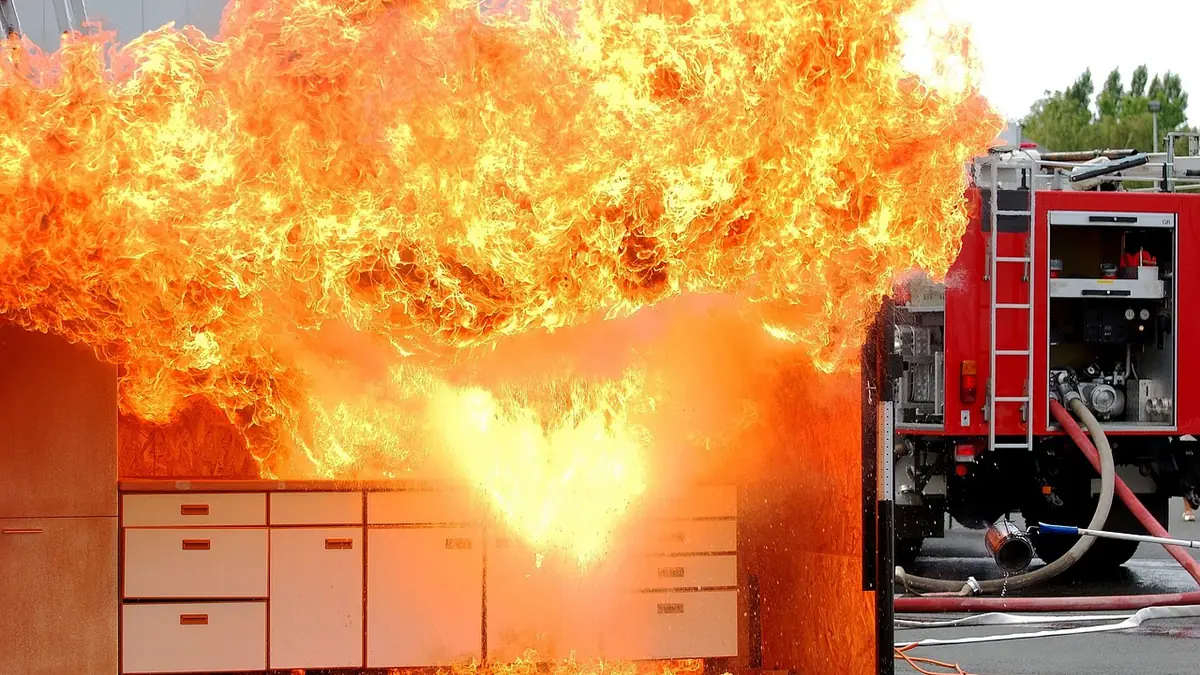
Most home fires are not random accidents. They cluster around a short list of causes: cooking left unattended, heating equipment placed too close to something that burns, overloaded wiring, and chimneys that have never been swept. Knowing where the risk actually sits is the first step toward reducing it.
This guide walks through the leading causes one by one, with realistic numbers and prevention steps that fit cold-climate homes, cabins and older mountain properties. Use it as a checklist for your own house, and share the parts that apply with neighbors and renters.
Cooking: The Leading Cause Nationwide
Cooking is the single largest cause of home fires and home fire injuries in the United States, accounting for roughly half of all residential fires. The pattern is consistent: food or oil is left on a hot burner, someone steps away, and by the time smoke is noticed the pan is flaming. Grease fires spread fast because water makes them worse, and a lid or a fire extinguisher is what actually works.
Prevention is mostly habit. Stay in the kitchen while frying, broiling or using high heat, and set a timer if you must step away. Keep towels, oven mitts and paper products at least a foot from the stovetop. Keep a lid within reach for every pan you use, and never move a burning pan to the sink.
Clean grease from the range hood and stovetop regularly; built-up film ignites easily. If a fire starts in the oven, turn it off and keep the door closed. If it starts in a microwave, keep the door shut and unplug the unit when it is safe. And when smoke alarms sound, get out and call for help rather than investigating.
- Stay in the kitchen whenever oil or high heat is involved
- Keep a lid and a rated extinguisher within arm's reach
- Clean grease from hoods and burners monthly
- Never throw water on a grease fire
Heating Equipment and Space Heaters
Heating equipment is the second-largest category of home fires and a leading cause of fire deaths, and it matters more in mountain towns where the heating season runs six months or longer. Space heaters cause a large share of these fires because people place them too close to bedding, curtains, furniture or drying clothes, or run them unattended overnight.
The basic rule is a three-foot clear zone around any space heater, wood stove or fireplace. Plug heaters directly into a wall outlet; extension cords and power strips are not rated for the draw and can overheat. Choose units with tip-over shutoff and thermostat controls, and turn them off when you leave the room or sleep.
Fixed heating systems need annual attention too. Have furnaces inspected before the season, keep return-air grilles clear, and never store paint, propane or cardboard near a furnace or water heater. Portable propane and kerosene heaters should only run in ventilated spaces and never in a bedroom while you sleep.
- Keep a three-foot clearance around all heaters
- Plug space heaters directly into wall outlets
- Turn off portable heaters before sleeping
- Service furnaces annually before winter
Chimneys, Wood Stoves and Creosote
Wood heat is common in mountain homes, and with it comes creosote, a tar-like residue that builds up in flue liners and ignites at high temperature. A chimney fire can reach well over 1,000°F and crack the liner, letting heat reach framing lumber. Chimneys serving wood stoves or fireplaces should be inspected and swept annually, and more often if you burn frequently or burn green wood.
Burn dry, seasoned wood and avoid trash, cardboard and pine branches that load the flue with residue. Keep the firebox door closed, use a screen on open fireplaces, and never leave a fire burning when you leave the house or go to bed. Ashes belong in a metal can with a lid, stored outside and away from the building.
Watch for warning signs: a loud roaring sound, dense smoke from the top of the chimney, or dark, flaky buildup visible at the flue. If you suspect a chimney fire, get everyone out and call 911. After any chimney fire, have the flue inspected before using the stove again.
- Sweep and inspect chimneys every year
- Burn seasoned wood, not trash or green logs
- Use a metal ash can stored outdoors
- Close the firebox door before leaving or sleeping
| Cause | Typical share of home fires | Highest-risk period | First prevention step |
|---|---|---|---|
| Cooking | About 45–50% | Evening meal hours, 5–8 pm | Stay in the kitchen while frying |
| Heating equipment | About 12–14% | December–February | Keep three feet clear of heaters |
| Electrical failure | About 8–10% | Overnight, while sleeping | Replace damaged cords and worn outlets |
| Smoking materials | About 5% | Late night, in bedrooms | Smoke outdoors with deep ashtrays |
| Candles and open flames | About 3–4% | Holidays and power outages | Extinguish before leaving the room |
| Chimney and creosote | Local seasonal risk | First cold snaps of the season | Annual sweep and inspection |
Electrical Systems, Cords and Outlets
Electrical failures cause a meaningful share of home fires, and older housing stock raises the odds. Knob-and-tube wiring, two-prong outlets with no ground, and panels that were never updated for modern loads are all common in older cabins. Warning signs include warm outlet covers, flickering lights when appliances cycle, burning smells, and breakers that trip repeatedly.
Extension cords are a frequent culprit. They are meant for temporary use, and daisy-chaining them or running them under rugs and through doorways creates heat and wear. Use cords rated for the load, replace any with damaged insulation, and add outlets rather than relying on strips for heaters, dryers or kitchen appliances.
Have a licensed electrician review any panel that is warm, buzzing or has rust, and install arc-fault circuit interrupters where code requires them. Never run a generator indoors, in a garage or near a window; carbon monoxide and fire risk both rise during outages.
- Replace damaged cords rather than taping them
- Avoid daisy-chained power strips
- Have warm or buzzing panels inspected
- Run generators outdoors, well away from windows
Smoking, Candles and Open Flames
Smoking materials remain a leading cause of fatal home fires, largely because fires start on bedding, upholstery or outdoors where people discard embers. Smoke outside, use deep sturdy ashtrays, and never smoke in bed or when drowsy or on oxygen. Douse and stir ashes before putting them in a trash can.
Candles cause a steady share of home fires, and the risk climbs when they are left burning unattended or placed near curtains, holiday decorations or pets. Keep them on stable, non-combustible surfaces, trim wicks, and extinguish them before leaving a room or sleeping. Battery-powered candles remove the risk entirely.
Other open flames deserve the same respect. Keep matches and lighters locked away from children, screen fireplaces, and use flashlights rather than candles during power outages. In dry mountain summers, check local restrictions before any outdoor burning, and never leave a campfire or barbecue unattended.
- Smoke outdoors and use deep ashtrays
- Extinguish candles before leaving or sleeping
- Store lighters and matches out of reach
- Follow seasonal burn restrictions
Smoke Alarms and a Practiced Escape Plan
Prevention reduces risk but does not remove it, so detection matters just as much. Working smoke alarms cut the chance of dying in a home fire roughly in half. Install alarms on every level, inside each bedroom and outside sleeping areas, and test them monthly. Replace batteries at least yearly, or sooner for units that chirp.
Plan two ways out of every sleeping room and pick an outside meeting place. Practice the route twice a year, including at night, and teach everyone to stay low under smoke, feel doors before opening them and never re-enter a burning building. Guests and renters need the same briefing, which is why short-term rentals should carry posted escape routes.
For the first moments of an incident, the sequence is simple: alert everyone, get out, close doors behind you and call 911 from outside. Seconds spent gathering belongings or fighting a small fire with the wrong tool are the difference between a scare and a loss.
- Test alarms monthly and replace batteries yearly
- Identify two exits from each sleeping room
- Practice the escape plan twice a year
- Call 911 from outside, never from inside
- Cooking and heating together account for most home fires, and both are almost entirely preventable with attention and clearance.
- Chimneys and wood stoves deserve annual service in mountain homes; creosote buildup is a seasonal hazard that is easy to overlook.
- Working smoke alarms and a practiced two-way escape plan roughly halve the risk of dying in a home fire.
- Walk your home once a season: heaters, cords, chimney, alarms and cooking habits cover the bulk of the risk.
Karen has spent years writing and editing public safety guidance for mountain communities, with a focus on home fire prevention and clear emergency instructions. She works closely with local fire service information and community records to keep practical advice accurate and easy to follow. Her goal is to help residents prepare before an emergency happens.