Fire Commissioners: Roles, Meetings, and Community Impact
By Karen Whitfield · Published · 3 min read

Fire commissioners are the unsung architects of public safety. They set budgets, approve equipment purchases, and ensure your fire department has the resources to respond when seconds count.
Understanding their role helps you engage with local decisions that affect everything from response times to fire prevention programs.
What Fire Commissioners Do
Fire commissioners are elected or appointed officials who govern a fire district or department. They typically serve terms of four to six years and meet monthly to set policy, approve budgets, and hire the fire chief. Their decisions directly impact staffing levels, equipment modernization, and community risk reduction programs.
Unlike operational firefighters, commissioners focus on governance. They don't fight fires but ensure the department has the tools and training to do so. This includes reviewing annual budgets that can range from a few hundred thousand to tens of millions of dollars, depending on district size.
Commissioners also represent the public's interest in safety. They balance rising costs with the need for adequate coverage, often weighing trade-offs like station locations, response time targets (typically 4–8 minutes in urban areas), and preventive services like smoke alarm installations.
- Set district budgets and tax rates
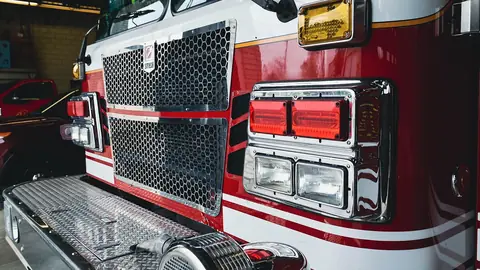
- Approve major equipment purchases (e.g., fire engines, protective gear)
- Hire and evaluate the fire chief
- Adopt fire codes and prevention policies
- Represent community concerns in board meetings
How Commissioners Are Selected
In many U.S. fire districts, commissioners are elected by voters, similar to school boards. This ensures direct accountability to residents. In other areas, they may be appointed by city councils or county boards. The selection method affects how closely commissioners align with community priorities.
Elections typically occur during general election cycles, and candidates often have backgrounds in public administration, business, or emergency services. Serving as a commissioner is usually a part-time role, with stipends ranging from modest per-meeting payments to small annual salaries.
Regardless of selection method, commissioners must file financial disclosures and adhere to open-meeting laws. This transparency allows residents to see how decisions are made and to participate in the process.
| Responsibility | Frequency | Time per Month (hours) | Impact Area |
|---|---|---|---|
| Board meetings | Monthly | 2-4 | Policy, budget |
| Budget review | Annual (plus quarterly) | 5-10 | Resource allocation |
| Chief evaluation | Annual | 3-5 | Leadership |
| Public outreach | Ongoing | 2-4 | Community relations |
| Training/workshops | Quarterly | 1-2 | Governance skills |
Key Responsibilities and Decisions
Commissioners make high-stakes decisions that affect public safety. They approve annual budgets that fund salaries, training, and apparatus replacement—fire engines cost $500,000 to $1 million and have a 15–20 year lifespan. They also set response-time goals and may decide whether to add stations or consolidate services.
Policy-making is another core duty. Commissioners adopt fire codes, sometimes stricter than state minimums, and may implement programs like free smoke alarm installations or wildfire mitigation grants. These decisions require balancing costs with community risk, as outlined in ethical frameworks for public agencies.
Oversight of the fire chief is critical. Commissioners conduct performance reviews, set goals, and ensure the department follows best practices. They also handle personnel matters, such as approving labor contracts and resolving grievances, which can impact morale and retention.
How Meetings Work and How to Participate
Fire commissioner meetings are public forums, typically held monthly. Agendas are posted 72 hours in advance and include items like budget approvals, policy changes, and public comment periods. Residents can speak for 2–3 minutes on any agenda item or during general comment.
To make your voice heard, review the agenda packet beforehand—it often contains detailed reports and financial data. If you have a concern about response times or a specific safety issue, bring concrete examples and data. Commissioners rely on public input to identify gaps.
For a deeper dive into meeting procedures and how to track decisions, see how fire department commissioners and meetings work. Many districts also livestream meetings and accept written comments, making participation easier than ever.
Impact on Fire Safety and Prevention
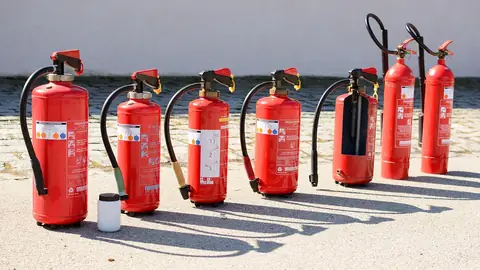
Commissioners influence prevention programs that save lives. They may fund community education like fire extinguisher inspection checklists or smoke vs. carbon monoxide alarm education. These low-cost initiatives often yield high returns by reducing emergency calls.
They also decide on wildfire mitigation and seasonal safety campaigns. In areas prone to wildfires, commissioners might allocate funds for vegetation management or chimney and wood stove safety inspections, directly reducing risk.
By prioritizing prevention, commissioners help stretch budgets while improving community resilience. Residents can support these efforts by attending meetings and advocating for proven programs.
Accountability and Transparency
Commissioners are accountable to voters and taxpayers. They must publish budgets, meeting minutes, and financial audits. Many districts also conduct annual performance reviews and community surveys to gauge satisfaction.
Transparency builds trust. When commissioners explain decisions—like why a station is relocated or a program is cut—residents are more likely to support the outcome. Open communication also helps counter misinformation.
If you have concerns, you can request public records or speak during meetings. Remember that commissioners are your neighbors, often volunteers, working to balance safety with fiscal responsibility.
- Fire commissioners set budgets, policies, and hire the chief—directly impacting emergency services.
- Public participation in meetings can influence decisions on response times and prevention programs.
- Commissioners prioritize cost-effective prevention like smoke alarm education to reduce risks.
- Transparency and accountability are ensured through public records and open meetings.
Karen has spent years writing and editing public safety guidance for mountain communities, with a focus on home fire prevention and clear emergency instructions. She works closely with local fire service information and community records to keep practical advice accurate and easy to follow. Her goal is to help residents prepare before an emergency happens.